
Build the pack around three artifacts you can only get on site: the compliance document you read at the door, the sample you open with your own hands, and the records you physically carry out. A verified first order — a mix of six soft SKUs (fruits, animals, stress balls) quoted FOB with clear blister packaging and QC photos taken before shipment — shows the shape of a workable pack: a defined SKU mix, a named packaging format, a stated quotation basis, and photo evidence dated before the container leaves.
The audit-day sequence runs in three moves: what to check before you sit down, what one place to open on the sample, and which documents must leave with you. US Consumer Product Safety Commission (Toy) recall records are used here only as hazard prompts for the questions you ask — they are external regulatory history, not findings about any supplier.
At the door: which document do you read before the meeting starts?
Ask for the test report and the bill of materials before anyone opens a catalogue. If the factory cannot produce a current report tied to the exact SKU and material, stop the visit there — a verbal "we have EN71" is not a document, and a report covering a sibling model tells you nothing about the unit you are buying.
Two checks in the first ten minutes separate a real pack from a brochure. First, the report's product description and material must match the sample in front of you; a report listing a different material grade is a red flag, not a rounding error. Second, ask who actually produced the part. If one SKU is made across factories or lots, that split should be visible in the order, the carton code and the compliance evidence — if the paperwork shows a single origin and the floor tells a different story, you have found the gap that costs money later.
Test whether the factory has a documented position on changes. According to the ASTM F963 and EN71 frameworks, a retest decision after any change that can affect safety or compliance should be written down even when the product name and SKU stay the same. Ask to see one example. A factory that cannot produce a single retest note has not thought about it, and that is what you are buying.
On the sample: where exactly do you put your hands?
Open the sample at the smallest removable part, because that is where the recalls live. Toy recall records cover accessible button-cell batteries in a mini flashlight, pull-string silicone that was longer and thinner than permitted, loose high-powered magnets, and a hose port that detached from a fire truck activity board. None of these were caught by looking at the toy on a shelf; all of them were caught by handling the part a child would handle.
The sample routine is mechanical, not aesthetic. Pull every removable piece and apply a reasonable pull; check whether a coin cell or magnet can be worked free; measure the pull string against the permitted range rather than eyeballing it; flex the joints that clip on. Then ask one question that a factory cannot answer with marketing: "Which of these parts changed since the last test report, and what did you retest?"
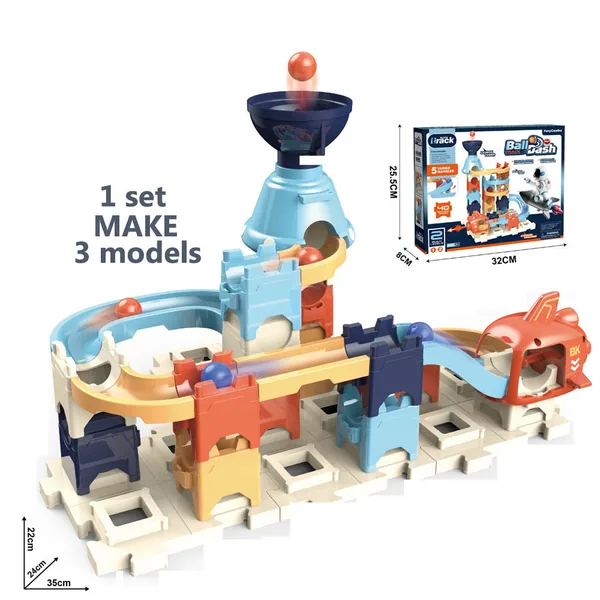
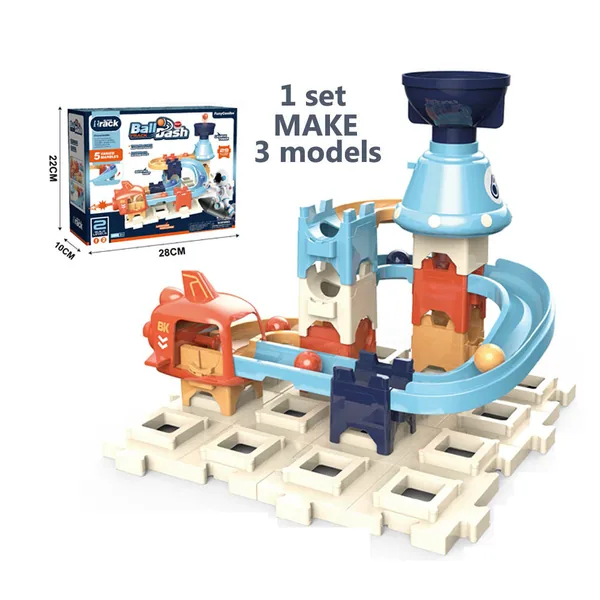
For a first order, keep the SKU mix tight enough to inspect properly. Six soft SKUs with one packaging format is auditable in a single visit; forty SKUs is a catalogue tour. If you are building an assortment that includes construction or building sets, the same rule applies part by part — a building block set lives or dies on the fit of its smallest connector, and that is where your sample time should go.
Before leaving: which records must come with you?
Leave with copies, not promises. The minimum set: the current test report matched to the SKU and material, the bill of materials, the packaging artwork approval, the quotation stating the FOB basis, and the pre-shipment QC photo set. The verified first order above included exactly that photo evidence before shipment — it is the cheapest insurance in the pack, because it documents condition at the moment of loading rather than after a claim.
Where a record does not exist, write "unknown" and initial it rather than accepting a verbal substitute. An unknown is a decision point you control; a verbal reassurance is one you do not. Anything the factory says it will send later should carry a date, because "after the holiday" is how first orders slip a month.
Keep the loading side in the same folder. Carton code, units per carton and the split between production lots belong next to the compliance documents, not in a separate shipping file — if a problem surfaces at the destination, the first question will be which lot and which carton, and the answer has to be findable in one place.
What should the audit-day pack contain, and what does each item prove?
| Test report (e.g. EN71 / ASTM F963 / CPC where applicable) | Must match the SKU, material and age grade on the sample; current, not a sibling model |
|---|---|
| Bill of materials | Names materials and components; the basis for judging whether a change triggers retest |
| Order and carton code | Shows whether production was split across factories or lots |
| Packaging artwork approval | Confirms age grade, warnings and destination markings before print |
| Quotation basis | FOB in the verified first-order example; port and Incoterm must be written, not assumed |
| Pre-shipment QC photos | Dated evidence of condition at loading; the verified first order used these |
| Retest note after change | Documents the retest decision even when the SKU name is unchanged |
| Units per carton / carton dimensions | Loading and freight calculation input; varies by spec |
| MOQ and lead time | varies by spec — confirm against the current quote, not a catalogue PDF |
| Age grading evidence | varies by spec — must be consistent across sample, artwork and report |
FAQ
What should I check first when I walk into a toy factory?
The current test report and the bill of materials, before any catalogue. If the report does not name the exact SKU and material you are buying, the visit should not continue past that point.
Is a test report enough to cover a first order?
No. The report is one artifact in the pack; it needs to sit alongside the BOM, packaging artwork approval, the quotation basis, and pre-shipment QC photos so that the evidence chain is complete end to end.
How do I handle a supplier that splits one SKU across factories or lots?
Require the split to be visible in the order, the carton code and the compliance evidence. If the documents show a single origin and the production reality differs, that is a traceability failure you are buying into.
What happens if the product changes after testing?
The retest decision should be documented even if the product name and SKU stay the same. Ask for one written example during the visit; a factory without a single retest note has no process for it.
Which hazards should I physically test on the sample?
Accessible button-cell batteries, pull-string length and thickness, loose high-powered magnets, and any part that can detach under reasonable pull. Toy recall records cover all four categories, which is why the sample check is hands-on rather than visual.
What is a realistic MOQ and lead time for a first order?
It varies by spec, material and packaging format, so it has to come from the current written quote for your exact SKU rather than a catalogue listing. Treat any MOQ quoted before the sample is confirmed as provisional.
Sources
Related Products & Categories
Request a factory audit or a first-order quote
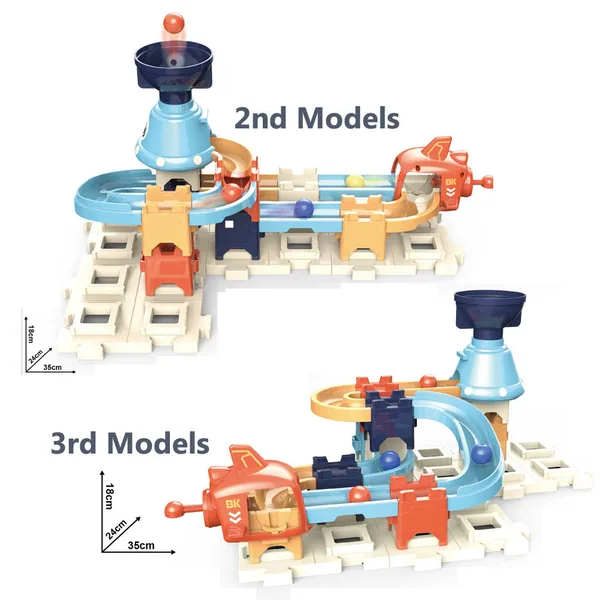
If you want the audit-day pack built around your own SKU mix — sample review, document check, and pre-shipment photo evidence — send the product list and destination market and we will quote against the current specification. For buyers building an assortment, one starting point is the Kids Building Block Ejection Ball Run Toy Set with 3 Changeable Shapes Marble Race Track for Boys Girls, which shows how a construction item's compliance questions are tied to its smallest connector.